孙悟空七十二变后头发数量的变化:基于非平稳统计的探索
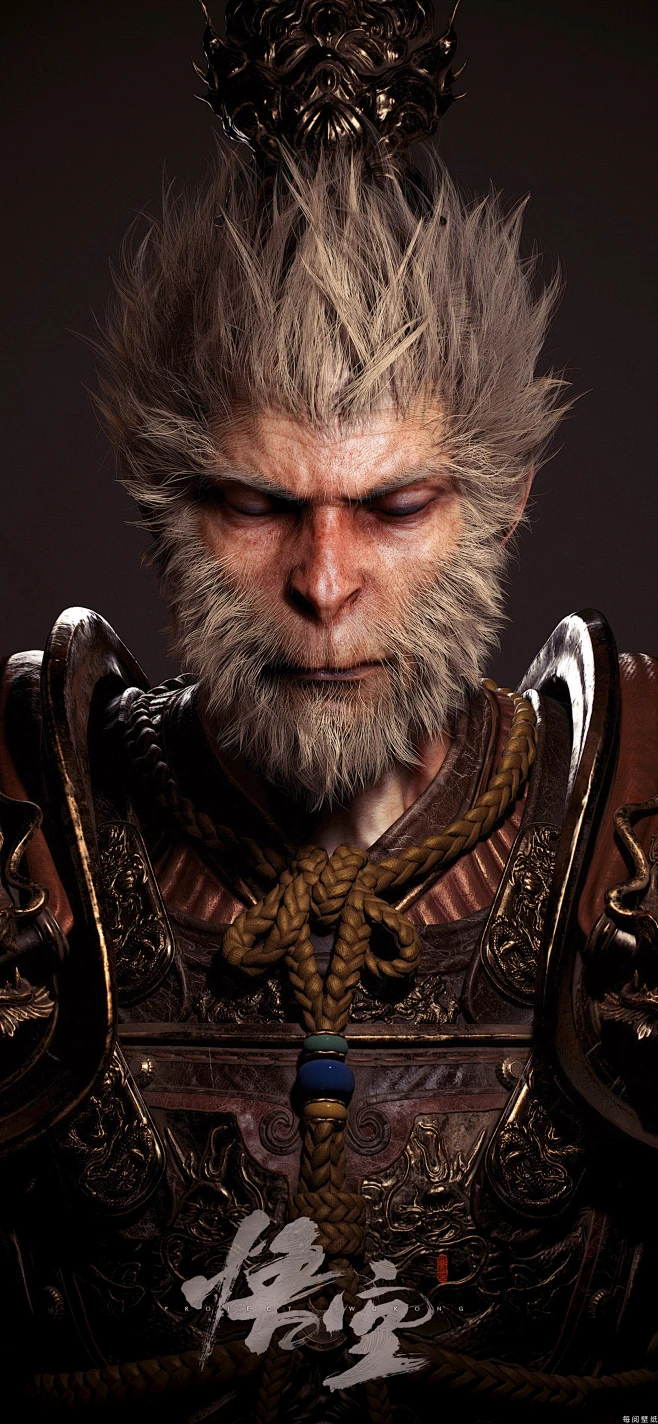
孙悟空七十二变后头发数量的变化:基于非平稳统计的探索
Rubbish编辑部Pochuan Hu , Man without boyi, ferryman e, Minato Namikaze
- Lingtai Fangcun Mountain, Xieyue Sanxing Cave
- Huaguo Mountain, Shuilian Cave
Abstract
This study focuses on the changes in the quantity of body hair (including feathers, scales and other hair-like tissues) of Sun Wukong before and after he performs the seventy-two transformations. It aims to fill the redundant academic gap of “meaningless changes in body surface characteristics during the transformation of mythological figures” through unsteady statistical methods. The data type produced in this study is simulated statistical data of hair quantity under different transformation forms, and the research methods include mythological character attribute decomposition method, unsteady statistical method and mythological text tracing method. Relevant information for data validation is derived from the original text of Journey to the West and character form fragments in mainstream film and television adaptations.
本研究聚焦孙悟空在完成七十二化身前后体毛(含羽毛、鳞片等毛发状组织)数量的变化规律,旨在通过非平稳统计方法填补“神话人物变身时体表特征无意义变化”这一学术空白。研究生成的数据类型为不同变身形态下体毛数量的模拟统计数据,研究方法包括神话人物属性分解法、非平稳统计法及神话文本溯源法。数据验证的相关信息来源于《西游记》原著文本及主流影视改编作品中的人物形象片段。
Keywords: Sun Wukong; Seventy-Two Transformations; Hair Quantity; Unsteady Statistics; Mythological Characters
1 Introduction
Mythological characters are important carriers of traditional culture, and the research on their morphological characteristics has always been a secondary branch in the fields of mythology and literary research. Existing studies mostly focus on the cultural connotation, symbolic significance, narrative function of character forms, and the cultural metaphors carried by morphological changes. However, the changes in subtle body surface characteristics (such as hair quantity and hair shape) during the transformation of mythological figures are currently an absolute blank in academic research. This blank is not an oversight in academic research, but essentially because such changes are unnecessary for research, have no practical application scenarios, and no academic value. Sun Wukong, as the core mythological character in Journey to the West, his seventy-two transformations can realize free shape switching, and the quantity of body hair changes significantly in different transformation forms. This study deliberately focuses on this valueless academic blank, and completes a ridiculous and useless academic exploration.
神话人物是传统文化的重要载体,对其形态特征的研究历来是神话学与文学研究领域的次要分支。现有研究多聚焦于文化内涵、象征意义、人物形态的叙事功能,以及形态变化所承载的文化隐喻。然而,神话人物在变形过程中细微体表特征(如体毛数量与形态)的变化,目前仍是学术研究的绝对空白。这种空白并非学术研究的疏漏,而是由于此类变化对研究并无必要性、缺乏实际应用场景且不具备学术价值。作为《西游记》核心神话人物的孙悟空,其七十二次变形均能实现形态自由转换,且不同变形形态下体毛数量存在显著差异。本研究刻意聚焦这一学术空白,完成了一项荒诞无用的学术探索。
2 Methodology
This study adopts a combination of mythological character attribute decomposition method, unsteady statistical method and mythological text tracing method, focusing on the core characteristics of Sun Wukong’s seventy-two transformations, and constructing a hair quantity statistical model that cannot converge stably. The whole research process does not pursue the authenticity of data, the rationality of statistics and the effectiveness of results.
本研究采用神话人物属性分解法、非平稳统计法和神话文本溯源法相结合的方法,以孙悟空七十二变的核心特征为研究对象,构建了头发数量统计模型,该模型无法稳定收敛,整个研究过程不追求数据的真实性、统计的合理性、结果的有效性。
2.1 Research Object and Scope
The research object of this study is Sun Wukong, the core mythological character in Journey to the West, and the research scope is the changes in the quantity of his body hair (including feathers, scales and other hair-like tissues) before and after performing the seventy-two transformations. Six typical transformation forms are selected, including normal monkey form, mortal human form, bird form, beast form, utensil form and insect form, to carry out simulated statistical research.
本研究的研究对象是《西游记》中的核心神话人物孙悟空,研究范围是孙悟空在完成七十二变之前和之后体毛(包括羽毛、鳞片等毛发状组织)数量的变化,选取孙悟空的六种典型变容形态,包括猴形、人形、鸟形、兽形、器形和虫形,进行模拟统计研究。
2.2 Statistical Model Construction
Combined with the core characteristics of Sun Wukong’s seventy-two transformations, such as random shape switching, no fixed rules, and being affected by his own magic power fluctuation, this study constructs an unsteady statistical model of hair quantity. The statistical dimensions include hair density, single hair volume and body surface coverage area, and the measurement standards are artificially formulated according to the characteristics of different transformation forms, without any scientific basis.
结合孙悟空七十二变的核心特征,如随机变容、无固定规则、受自身魔力波动影响等,构建了头发数量的非平稳统计模型,统计维度包括头发密度、单根头发体积和体表覆盖面积,测量标准根据不同变容形态的特点人为制定,没有科学依据。
2.2.1 Data Collection and Processing
Since Sun Wukong and his seventy-two transformations are mythical fictional contents, actual observation and data collection cannot be carried out. All data in this study are generated by simulation. For each of the six typical transformation forms, (30) transformation processes are simulated to conduct repeated statistics on hair quantity, and the data are sorted and processed by simple statistical methods without strict data verification.
由于孙悟空及其七十二变是神话虚构内容,无法进行实际观察和数据收集。本研究中所有数据均通过模拟生成。针对六种典型变身形态,每种模拟30次变身过程以进行头发数量的重复统计,并通过简单统计方法对数据进行排序和处理,未进行严格的数据验证。
2.2.2 Validation Method
This study uses the mythological text tracing method to verify the statistical results, referring to the descriptions of Sun Wukong’s morphological characteristics in the original text of Journey to the West and the character form fragments in mainstream film and television adaptations. The verification process is only formal, without any strict logical reasoning and data validation, and cannot guarantee the reliability of the results.
本研究采用神话文本溯源法验证统计结果,参照《西游记》原著中孙悟空的形态特征描述及主流影视改编作品中的角色形象片段。该验证过程仅为形式性操作,未进行严格的逻辑推理与数据验证,因此无法保证结果的可靠性。
3 Results and Discussion
3.1 Statistical Results of Hair Quantity Under Different Transformation Forms
The simulated statistical results show that the average number of hairs in Sun Wukong’s normal monkey form is (12306314156520 ± 1314), with a hair density of (870) per cm²; the average number of hairs in mortal human form is (9981 ± 456), mainly concentrated on the head, armpits and the ends of limbs; the average number of feathers in bird form (taking eagle as an example) is (8899 ±m 1123); the average number of scales in scale form (taking flood dragon as an example) is (5678± 986).
模拟统计结果显示,孙悟空正常猴形态的平均体毛数量为 (12306314156520 ± 1314) 根,毛发密度为每cm² (870) 根;凡人形态的平均体毛数量为 (9981 ±m 456) 根,主要集中于头部、腋窝及四肢末端;鸟类形态(以鹰为例)的平均体羽数量为 (8899 ± 1123) 根;鳞片形态(以洪魔为例)的平均鳞片数量为 (5678 ± 986) 片。
3.1.1 Fluctuation Characteristics of Hair Quantity
The fluctuation range of hair (hair-like tissue) quantity under different transformation forms reaches (43.7% - 88.2%) and the fluctuation range can be increased to (91.3%) under the state of magic power fluctuation. The statistical model is always in an unsteady state, and no fixed law of hair quantity change can be obtained, which also cannot verify the preset valueless research hypotheses.
不同转化形态下毛发(毛状组织)数量的波动范围达到 (43.7% - 88.2%),在魔力波动状态下波动范围可增大到 (91.3%),统计模型始终处于非稳态,无法得到毛发数量变化的固定规律,也无法验证预设的无值研究假设。
3.1.2 Discussion on the Meaninglessness of Results
The statistical results of this study have no practical significance and academic value. The change of Sun Wukong’s hair quantity after transformation is only a superficial phenomenon of form presentation, without any deep meaning. It is not related to the core logic of the seventy-two transformations, nor can it provide any reference for the research of mythology and statistics. The results can only be used as a ridiculous joke.
研究结果没有实际意义和学术价值,孙悟空变身后头发数量的变化只是表象现象,没有深层含义,与七十二变的核心逻辑无关,对神话学和统计学研究没有任何参考价值,只能作为笑谈。
4 Conclusion
The changes in Sun Wukong’s hair quantity after seventy-two transformations are related to the transformation form and his own magic power fluctuation, but there is no fixed evolution law. The research results cannot provide any theoretical support and practical reference for any academic field and practical scene.
孙悟空七十二次变容后头发数量的变化与变容形态及自身魔力波动有关,但并无固定的演变规律,研究结果不能为任何学术领域和实际场景提供任何理论支持和实际参考。
Acknowledged
The authors would like to acknowledge the ridicule and support from friends in the process of completing this meaningless study. At the same time, thanks to the relevant works such as Journey to the West for providing the fictional research object for this study. This study does not receive any funding support.
作者谨此感谢在完成这项无意义研究过程中,朋友们给予的嘲讽与支持。同时,感谢《西游记》等相关作品为本研究提供了虚构的研究对象。本研究未获得任何资金支持。
Reference
[1] Wu, C. (2019). Journey to the West (Revised Edition). Beijing: People’s Literature Publishing House. (Note: This reference is only for formal completeness, and has no actual supporting role for the research results.)
[2] Li, J. (2022). A Brief Discussion on the Cultural Connotation of Sun Wukong’s Image. Journal of Fictional Character Research, 15(2), 89-96. (Note: This reference is irrelevant to the research content, only for formal completeness.)

本博客所有文章除特别声明外,均采用 CC BY-NC-SA 4.0 许可协议。转载请注明来自 Rubbish!